Systems Designed for Long-Term Weather Protection
Roof Replacement in nationwide for aging systems showing membrane deterioration or repeated leak patterns
Roofs fail when membrane flexibility degrades, fasteners loosen under thermal cycling, or flashing separates from parapet walls and penetrations. Highmark Contracting performs complete tear-off and replacement for commercial, government, agricultural, multifamily, and institutional roofs when evaluations reveal that repair costs approach replacement value or when existing systems no longer meet current building performance standards. Replacement addresses underlying deck damage, inadequate insulation, and outdated drainage configurations that repairs cannot resolve.
The replacement process begins with an evaluation to determine whether the existing roof deck requires replacement, if additional insulation will improve energy performance, and which roofing system offers the best service life for the building's use and exposure conditions. Options include TPO, EPDM, PVC, metal, and asphalt shingle systems selected based on structural capacity, budget, and whether the building will remain in service during the work. Project management minimizes disruption by coordinating material delivery, debris removal, and temporary protection to keep occupied buildings operational throughout the replacement.
Request a replacement assessment to evaluate your current roof condition and compare system options based on expected service life and installation requirements.
How Full Replacement Addresses Underlying Failures
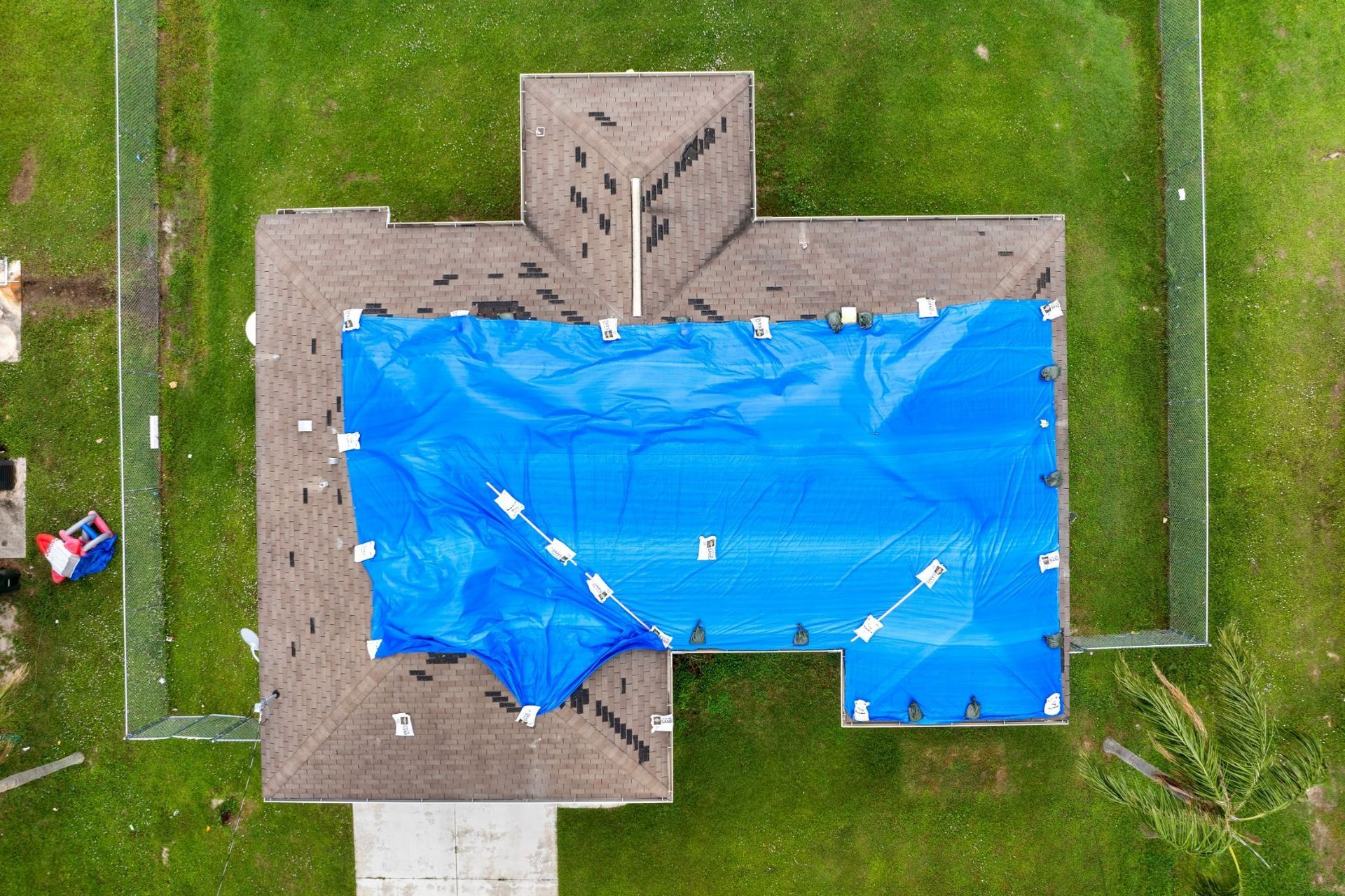
Tear-off exposes deck conditions hidden beneath the existing membrane, revealing whether wood sheathing has rotted from long-term moisture exposure, metal panels have corroded at fastener locations, or insulation has compressed and lost thermal value. Complete removal allows correction of deck attachment deficiencies, replacement of saturated insulation, and installation of modern underlayment systems that provide secondary water protection. New roofing systems install over structurally sound, dry substrates with fastening that meets current wind uplift requirements rather than relying on decades-old attachment patterns.
Once replacement completes, you notice that interior leaks stop, HVAC systems maintain temperature more efficiently due to improved insulation, and roof-mounted equipment sits on properly flashed and sealed curbs. The new system performs predictably because it eliminates the substrate damage, inadequate drainage, and material fatigue that caused the original roof to fail. Quality products from leading manufacturers provide warranty coverage tied to proper installation and material specifications.
Replacement projects vary in complexity based on whether the building remains occupied, the number of roof penetrations requiring new flashing, and site access for equipment and material staging. Some buildings benefit from insulation upgrades that reduce energy costs, while others prioritize rapid completion to minimize business interruption during the construction phase.
Common Questions About Roof Replacement
Property owners often ask about timing, material choices, and what the replacement process involves for occupied buildings.
How do you determine if a roof needs full replacement rather than repair?
Replacement becomes necessary when membrane deterioration is widespread, the roof deck shows structural damage, or the cost of repairing multiple failure points approaches the cost of installing a new system that provides decades of additional service life.
What roofing system works best for a replacement project?
The decision depends on the building's structural load capacity, whether additional insulation is needed, budget considerations, and how quickly the project must complete—single-ply membranes install faster than built-up systems, while metal roofing offers long service life on buildings with adequate slope.
Can a building remain occupied during roof replacement?
Most buildings stay operational during replacement through careful staging, temporary protection of occupied areas, and scheduling noisy or disruptive work outside business hours, though coordination requirements increase project duration compared to vacant building work.
Why does tear-off sometimes reveal unexpected deck repairs?
Moisture infiltration often damages roof decks in localized areas that remain hidden until the old roofing system is removed, particularly around penetrations, valleys, and perimeter edges where water concentrates.
What affects the timeline for a replacement project?
Weather windows suitable for membrane installation, the extent of deck repairs discovered during tear-off, material lead times, and coordination with building operations all influence how quickly replacement proceeds in North Dakota's variable climate.
Highmark Contracting evaluates your existing roof to identify the most cost-effective replacement approach based on building use, structural conditions, and performance goals. Arrange a site assessment to review material options and develop a replacement plan that meets your timeline and budget requirements.