Roofs That Last Through Severe Weather
Metal Roofing nationwide for commercial, agricultural, and industrial properties exposed to high winds and heavy snow loads
Wind events across the northern plains routinely exceed sixty miles per hour, and snow loads can exceed code minimums during severe winters, stressing roof systems beyond what asphalt or single-ply membranes can handle without damage. Metal roofing panels interlock and fasten directly to purlins or rafters, creating a rigid assembly that resists uplift and sheds snow before dangerous accumulations form. Highmark Contracting installs standing seam and corrugated metal roofs in nationwide for buildings where long service life and minimal maintenance justify the higher upfront cost, and property owners notice the reduction in storm-related repairs once metal replaces aging shingles or membranes.
Metal roofing comes in either standing seam profiles, where concealed fasteners allow the panels to expand and contract, or exposed fastener panels that lock together along ribs. Installation starts with a solid deck or open framing depending on panel type, then underlayment is applied if code requires it, followed by the panels themselves, which are fastened at specific intervals and sealed at seams and transitions. Standing seam panels use clips that permit thermal movement without stressing the fasteners, which prevents leaks at screw holes that develop when panels are rigidly attached.
Schedule a roofing consultation to compare panel profiles and gauge options for your building type and budget.
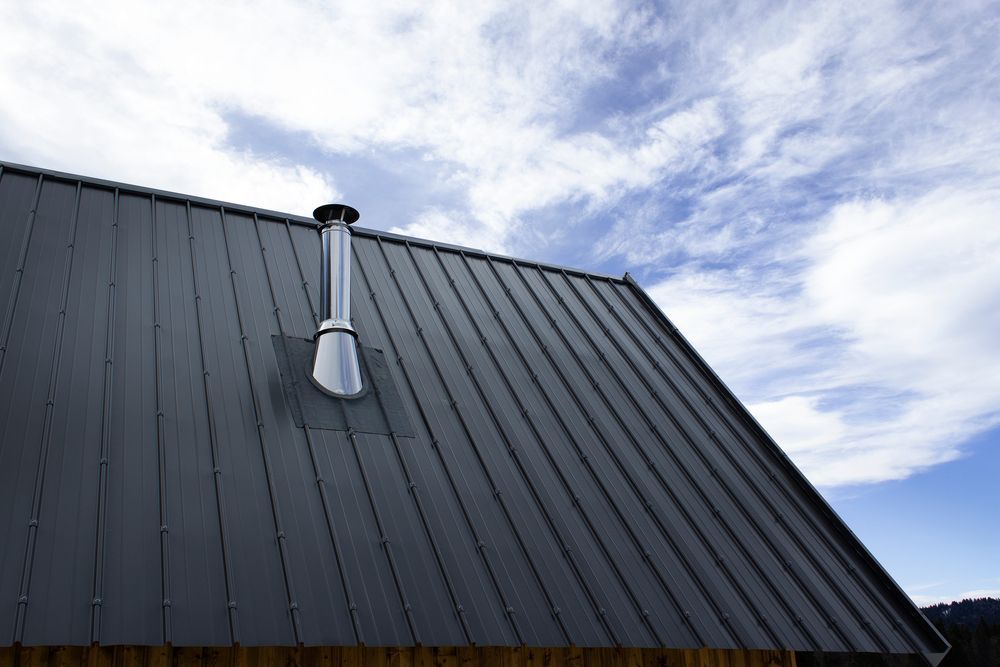
How Metal Roofing Handles Decades of Exposure
Steel and aluminum roofing panels are coated with either galvanized zinc, Galvalume (aluminum-zinc alloy), or painted finishes that resist corrosion and UV degradation. Galvalume coatings provide superior rust resistance in rural areas where airborne chemicals are minimal, while painted finishes add color options and additional UV protection. Fasteners for exposed fastener systems include neoprene washers that compress and seal around the screw, though those washers eventually degrade and require replacement after fifteen to twenty years depending on sun exposure.
Once installed, you'll notice that snow slides off the smooth metal surface during temperature swings rather than sitting in place and compressing. Rain hits the roof with a distinct sound that some owners appreciate and others find intrusive, though insulation and underlayment reduce noise transmission into conditioned spaces. The panels themselves show no rot, insect damage, or water absorption, and properly coated metal resists fading and chalking for decades. Hail can dent thinner gauges, but the dents don't compromise the waterproof integrity unless they crack the coating down to bare metal.
Metal roofing suits steep-slope and low-slope applications, new construction, and complete replacements. Panel lengths can span from eave to ridge without horizontal seams, eliminating one potential leak path. Energy performance varies with panel color—light colors reflect solar heat and reduce cooling loads, while dark colors absorb warmth that accelerates snow melt in winter. Warranties typically cover the coating and substrate for thirty to fifty years, though fastener integrity and proper flashing installation determine actual service life.
What Property Owners Want to Know About Metal Roofs
Building owners considering metal roofing want clarity on performance, cost, and long-term maintenance before committing to the investment. These questions address the most common concerns.
How does metal roofing hold up to hail compared to asphalt shingles?
Metal panels dent under large hail but rarely puncture or crack, and the roof remains watertight even with cosmetic dents, whereas shingles lose granules and develop leaks after severe hail impacts.
What gauge of metal is appropriate for agricultural buildings in North Dakota?
Most agricultural applications use twenty-six or twenty-nine gauge steel, which balances cost and strength, though buildings with wide purlin spacing or heavy snow loads may require heavier gauges to prevent panel deflection.
When should I use standing seam instead of exposed fastener panels?
Standing seam systems cost more but eliminate fastener penetrations through the weathering surface, which extends roof life and reduces maintenance, making them the better choice for buildings where longevity justifies higher initial cost.
Why do metal roofs sometimes develop leaks at fasteners?
Neoprene washers under exposed fasteners degrade from UV exposure and thermal cycling, losing their ability to seal around the screw shaft, which is why those systems require periodic fastener inspection and replacement.
How long does a metal roof last on a commercial or building?
Properly installed metal roofs routinely last forty to sixty years, and some standing seam systems installed in the 1970s remain in service today, though fastener maintenance and coating condition determine whether the original panels reach that age.
Highmark Contracting provides metal roofing installation using quality materials and experienced crews trained in proper panel fastening and flashing details. Reach out to arrange a site evaluation and receive a detailed estimate for your commercial, agricultural, or industrial, roofing project.