
Properties Protected When Damage Strikes
Emergency Roof Response & Temporary Enclosures nationwide for properties damaged by fire, severe storms, or structural failure
Wind tears a section of roofing membrane loose during a severe thunderstorm, exposing building contents to rain that continues for hours after the storm passes. Emergency response limits how much additional damage occurs between when the roof fails and when permanent repairs can begin. Highmark Contracting provides 24-hour emergency response and temporary protective enclosures for commercial, government, institutional, industrial, agricultural, and multifamily, properties nationwide following fire, hail, windstorms, and other sudden property damage events. Rapid action prevents rain from saturating insulation, rusting equipment, damaging inventory, and creating conditions for mold growth in the hours and days after the initial damage.
This service involves installing temporary roof coverings—typically heavy-duty tarps or shrink-wrap systems secured to withstand additional weather exposure—over damaged roof areas until permanent repairs or reconstruction can proceed. Installation requires coordination with property owners, emergency responders, and insurance adjusters who need to document damage before temporary coverings obscure the full extent of the loss. Temporary enclosures protect not just the roof opening but also damaged walls, windows, and structural elements exposed by the event.
Contact Highmark Contracting immediately following property damage to arrange emergency roof protection and prevent secondary losses.
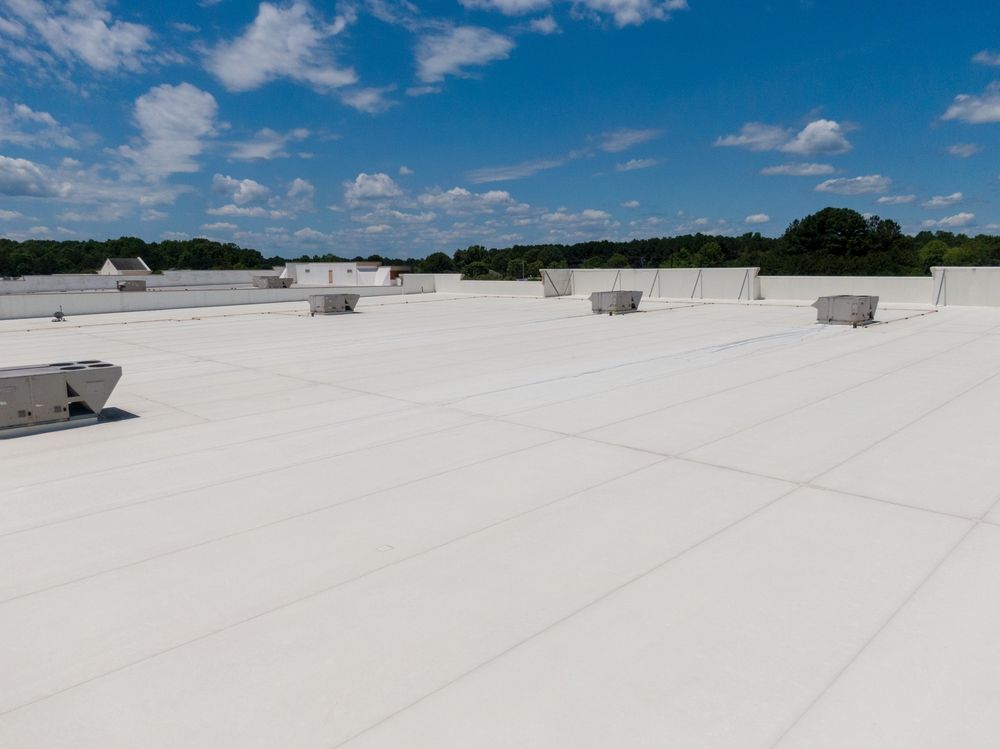
What Changes After Emergency Protection Is Installed
Temporary enclosures install over damaged areas using fastening methods that secure coverings against wind without causing additional roof damage, with overlaps and sealing that keep rain and snow out until permanent work begins. The enclosure remains in place through multiple weather cycles, maintaining protection during insurance inspections, contractor bidding, material procurement, and the time required to schedule and complete permanent restoration. Installation speed matters because every hour a building remains exposed increases the extent of water damage, particularly to ceiling systems, insulation, and building contents below the damaged roof area.
Once emergency coverings are in place, you notice that water intrusion stops, the building interior begins drying, and operations can resume in unaffected areas while permanent repairs are planned. Property managers regain control of the situation because the building is weathertight even though final restoration may take weeks or months depending on damage severity and material availability.
Emergency response includes documentation that supports insurance claims, coordination with fire departments or structural engineers if safety concerns exist, and recommendations for permanent repair approaches based on the type and extent of damage observed. Some events require temporary structural bracing before roofing work can proceed safely.
Questions Before Emergency Response
Property owners facing sudden roof damage need immediate answers about what happens next and how emergency protection works.
How quickly can emergency roof protection be installed?
Response begins within hours of contact, with installation speed depending on damage extent, site accessibility, and whether safety hazards require clearance before work can proceed on the damaged roof.
What types of temporary coverings work for different damage scenarios?
Heavy-duty tarps secured with battens work for localized damage, while larger openings may require engineered shrink-wrap systems or temporary panel installations that withstand wind and snow loads until permanent repairs complete.
Will temporary coverings damage the existing roof?
Installation methods use fastening that minimizes additional penetrations and distributes loads across sound roof areas, avoiding further damage while providing secure weather protection.
How long can temporary enclosures remain in place?
Quality temporary systems protect buildings for weeks or months while insurance processes, contractor selection, and material procurement proceed, though periodic inspections ensure coverings remain secure through North Dakota's wind events and temperature swings.
What coordination happens with insurance companies?
Emergency response includes documenting damage conditions before temporary coverings install, providing itemized emergency service invoices, and coordinating with adjusters who need site access during the claims investigation.
Highmark Contracting maintains emergency response capabilities for immediate deployment following fire, storm, or structural damage events. Call (701) 330-8341 as soon as property damage occurs to arrange emergency roof protection and begin the restoration process.