Properties Restored to Pre-Loss Condition
Insurance Restoration nationwide for buildings damaged by fire, hail, wind, and other covered loss events
Insurance restoration rebuilds roofing systems and structures damaged by fire, severe storms, hail, windstorms, and other sudden events that trigger property insurance claims. The process begins with damage documentation, proceeds through insurance claim coordination, and concludes when the property is returned to its condition before the loss occurred. Highmark Contracting manages the entire restoration process for property owners, coordinating directly with insurance carriers, adjusters, and building owners to ensure that scope agreements, material selections, and final inspections align with policy coverage and building code requirements. You avoid the confusion and delays that occur when restoration contractors and insurance adjusters disagree about what repairs are necessary or how damage should be addressed.
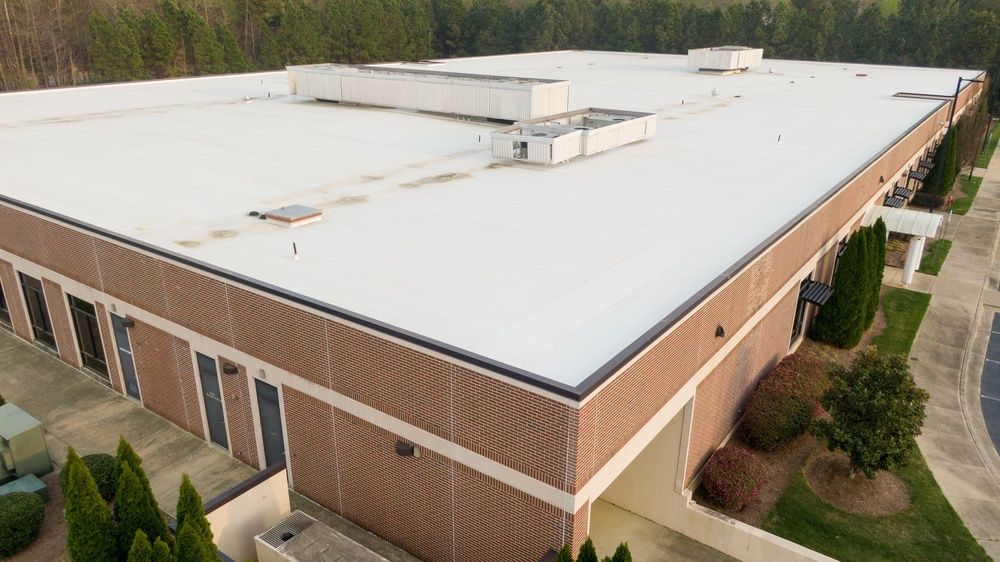
This service includes emergency response to prevent additional damage immediately after the loss event, temporary enclosures to protect the property during the claims and bidding process, and complete restoration of roofing systems to pre-loss condition using materials and methods that meet current building codes. Restoration involves removing damaged roofing, repairing or replacing roof decks and structural members if fire or wind caused failures beyond the roofing surface, and installing new roofing systems that match the original building specifications unless upgrades are required by code changes since original construction.
Contact Highmark Contracting immediately after property damage to coordinate emergency protection and begin the insurance restoration process.
Why Direct Insurance Coordination Prevents Delays
Restoration projects require agreement between property owners, insurance adjusters, and contractors about what damage is covered, what materials will be used, and how the work will proceed. Experienced project management navigates the claims process by providing detailed damage assessments that adjusters can evaluate against policy terms, preparing scope documents that specify repair methods and materials, and coordinating inspections at each project phase to confirm work meets both insurance requirements and building codes. This coordination prevents situations where restoration begins before scope agreement is finalized, leading to payment disputes or incomplete repairs.
After restoration completes, you notice that the roof performs as it did before the damage occurred—leaks are eliminated, structural integrity is restored, and the building meets current code requirements for wind resistance and fire protection. The property is insurable at standard rates because restoration addressed all damage identified during the claims process and documentation confirms that work met manufacturer specifications and local building standards.
Restoration complexity increases when fire damage extends into structural members requiring engineering evaluation, when matching discontinued roofing materials necessitates larger replacement areas, or when code upgrades are mandated for the restoration to receive a building permit. Project timelines depend on insurance claim processing speed, material availability, weather conditions suitable for roofing installation, and coordination with other trades if the loss affected building systems beyond the roof.
What Property Owners Usually Ask
Insurance restoration raises specific questions about claims coordination, timelines, and how the process works from damage event through final completion.
What happens immediately after property damage occurs?
Emergency response begins with temporary roof protection to prevent additional damage, followed by documentation of loss conditions before cleanup begins, and coordination with the insurance carrier to initiate the claims process.
How does restoration coordination with insurance companies work?
The contractor provides detailed damage assessments, material specifications, and scope documents that adjusters use to determine covered repairs, then coordinates inspections at key project milestones to confirm work aligns with approved claim scopes.
Will the restoration match the original roof exactly?
Restoration returns the property to pre-loss condition using comparable materials, though exact matches may be unavailable if original products are discontinued or if building code changes require upgraded materials or installation methods.
What delays insurance restoration projects?
Common delays include disagreements between contractors and adjusters about damage extent, material availability for specialized roofing systems, weather windows suitable for installation, and permit processing when structural repairs require engineering review.
What documentation does the restoration process provide?
You receive emergency service records, detailed damage assessments, claim scope agreements, material invoices, inspection reports, and final completion certifications required for insurance claim closure and building department signoffs.
Highmark Contracting provides experienced project management from initial damage assessment through final restoration completion and insurance claim closure. Reach out immediately after fire, storm, or other property damage to begin emergency protection and restoration planning that returns your property to its pre-loss condition.