
Shingles Installed to Prevent Wind Damage
Asphalt Shingle Roofing in and nationwide for commercial properties requiring complete replacement or new construction
Asphalt shingles lose tabs and expose underlayment during windstorms when they're not properly sealed or when aging adhesive fails, that failure often happens after fifteen to twenty years when thermal cycling weakens the bond strips. Proper installation means each shingle receives the correct number of nails placed in the manufacturer-specified nailing zone, and the adhesive strip on each shingle seals to the one below it once sun heat activates the bond. Highmark Contracting installs asphalt shingle systems in Bismarck and Williston for homes and commercial buildings where budget and aesthetic variety matter, using trusted manufacturers and quality workmanship to deliver roofs that resist wind uplift and prevent water intrusion through proper flashing and valley details.
Installation begins with a clean roof deck, either new sheathing or an existing surface after old shingles are torn off and damaged boards are replaced. Underlayment goes down first—either felt paper or synthetic sheet—followed by drip edge, valley flashing, and starter strips along eaves and rakes. Shingles are then laid in overlapping courses from bottom to top, with each shingle nailed just above the adhesive strip so the next course covers the nail heads. Valley and penetration flashings are woven or cut into the shingle courses to direct water away from vulnerable joints.
Request a free roofing estimate that includes material options, color choices, and a timeline for tear-off and installation.
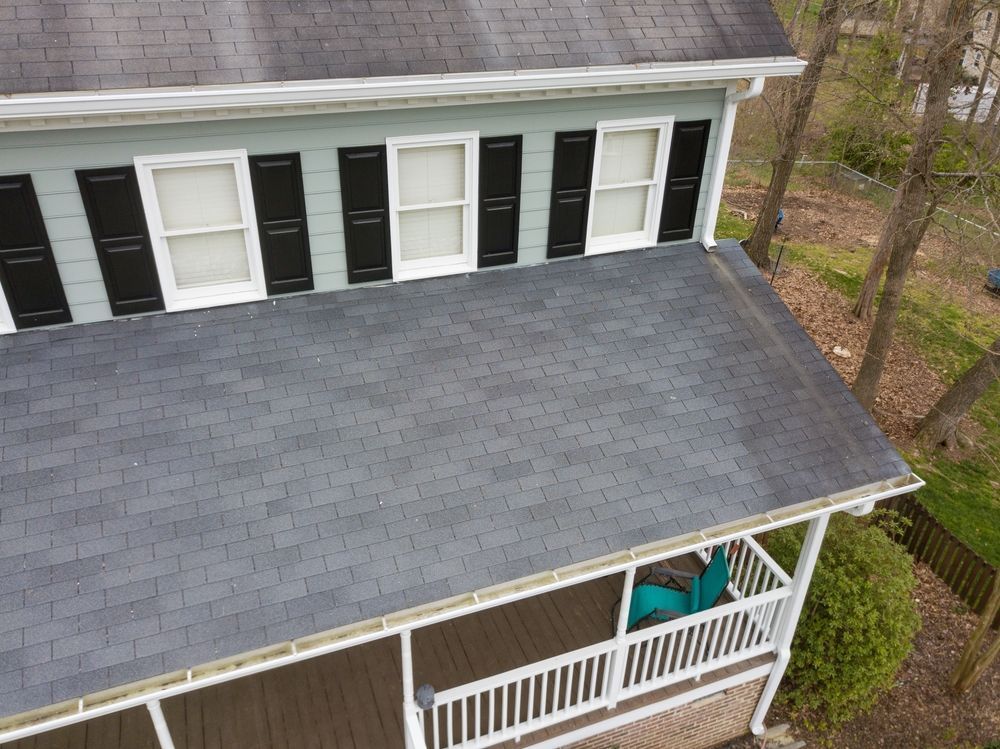
What Proper Shingle Installation Requires
Asphalt shingles come in three-tab and architectural (dimensional) styles, with architectural shingles offering greater thickness and wind resistance. Each shingle contains a fiberglass mat coated with asphalt and topped with ceramic granules that protect the asphalt from UV breakdown. Nailing patterns matter—too few nails or nails placed too high allow shingles to lift in wind, while overdriven nails puncture the shingle and create leak points. The adhesive strip must align with the shingle below so thermal activation bonds them together, and this bond is what actually holds shingles down during windstorms, not the nails alone.
After installation, you'll see a uniform color and shadow pattern across the roof, with no lifted edges or misaligned courses. Water runs down the roof in sheets rather than getting under shingle edges, and valleys channel heavy flow without backup. Granules will wash off in the first few rains—that's normal shedding of loose material—but ongoing granule loss after the first year indicates either poor-quality shingles or excessive wear. Properly installed shingles remain flat against the roof even during high winds, and flashings around chimneys, vents, and skylights remain sealed without gaps or lifted edges.
Asphalt shingles work for low-slope commercial buildings, though slopes below four-in-twelve may require additional underlayment for code compliance. Color choices range from neutral grays and browns to bolder blues and greens, and architectural shingles create more depth and texture than three-tab styles. Manufacturer warranties cover defects for twenty to fifty years depending on shingle grade, but actual lifespan depends on installation quality, ventilation, and local weather exposure. Routine maintenance includes clearing debris, inspecting flashings annually, and replacing damaged shingles before leaks develop.
Questions Homeowners Have About Shingle Replacement
Homeowners planning a shingle replacement want to understand the factors that affect cost, longevity, and appearance. These are the questions that come up most often during estimate consultations.
How does harsh weather affect shingle lifespan?
Freeze-thaw cycles, high winds, and intense summer sun all accelerate shingle aging, and most asphalt shingles in this climate reach the end of their service life between eighteen and twenty-five years depending on ventilation and initial quality.
When should I replace the entire roof instead of patching damaged areas?
If more than twenty percent of the shingles show granule loss, cracking, or curling, full replacement becomes more cost-effective than ongoing repairs, and mixing old and new shingles often results in color mismatch and uneven wear.
What preparation is required before new shingles are installed?
Crews remove old shingles down to the deck, replace any damaged or rotten sheathing, install new underlayment and flashings, then apply the new shingles—skipping any of these steps compromises long-term performance.
Why do some shingle roofs fail prematurely while others last decades?
Installation quality determines lifespan more than shingle brand—improper nailing, inadequate ventilation, and poorly detailed flashings cause early failure even with premium shingles, while correct installation extends the life of mid-grade products.
Highmark Contracting works with homeowners throughout Williston to provide complete shingle replacement and new construction roofing using materials from trusted manufacturers. Call (701) 330-8341 to request an estimate that includes a detailed inspection, material recommendations, and a project timeline tailored to your home.