
Leaks Stopped Before Damage Spreads
Roof Repair nationwide for active leaks, storm damage, or deterioration affecting specific roof areas
A leak at a roof penetration starts as a small moisture stain on a ceiling tile, then expands to saturate insulation, corrode metal deck, and damage inventory or equipment below. Repairs address the specific failure point before water infiltration creates secondary damage that multiplies repair costs. Highmark Contracting responds promptly to repair requests for TPO, EPDM, PVC, metal, and asphalt shingle roofing systems on commercial, government, agricultural, multifamily, and institutional properties preventing minor failures from becoming major structural problems.
This service includes thorough inspections to identify why a roof is leaking—whether from wind-lifted membrane edges, deteriorated flashing around HVAC curbs, hail-damaged shingles, or fasteners that backed out during thermal cycling. Repairs involve removing damaged material, addressing substrate issues if moisture has penetrated beyond the roofing surface, and installing new material that integrates with the existing system. The approach varies based on roofing type: TPO and PVC repairs require heat welding new membrane sections, EPDM uses adhesive-bonded patches, metal roofing needs fastener replacement and sealant renewal, and asphalt shingles require matching existing colors and proper underlayment lapping.
Request a professional roof inspection to locate active leaks and evaluate whether localized repairs will restore system performance.
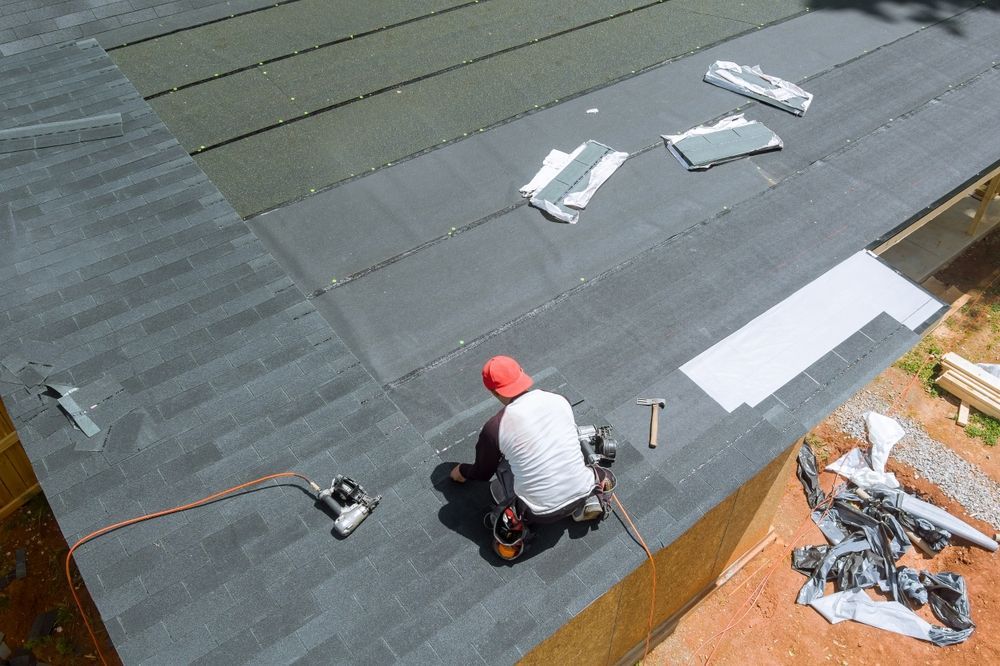
What Proper Roof Repair Involves
Inspection begins by tracing interior water stains back to their roof-level entry point, which often sits several feet away from where water appears inside due to deck slope and how moisture travels along structural members. Repairs remove a section of roofing material large enough to expose any wet insulation or damaged deck, allow drying if necessary, and install new material with seams and flashing that prevent future water entry. Lasting repairs address the root cause—whether that's inadequate flashing height, missing sealant at panel laps, or membrane shrinkage that pulled material away from termination bars.
After repairs complete, you notice that ceiling stains stop spreading, interior humidity drops in previously affected areas, and roof-level ponding no longer forms where drainage was corrected. The roof performs as intended because the repair eliminated the specific pathway water was using to enter the building, rather than applying temporary sealant over a symptom while the underlying failure continues.
Repair costs depend on whether damage is localized to the roofing membrane or extends into insulation and deck layers, how accessible the repair area is, and whether matching materials are readily available for older roofing systems. Some repairs involve upgrading flashing details to current standards even when the surrounding roof remains in service, preventing future failures at the same location.
Answers to Frequent Repair Questions
Property owners often have similar concerns about how roof repairs work and when they make sense compared to replacement.
How quickly can roof repairs stop an active leak?
Response time depends on scheduling availability and weather conditions suitable for the repair material—emergency tarping provides immediate protection while permanent repairs wait for temperatures above minimum application thresholds for adhesives and sealants.
What determines if a roof should be repaired or replaced?
Repair makes sense when damage is localized and the surrounding roof remains in good condition, while replacement becomes more cost-effective when failures are widespread or the roof has reached the end of its expected service life.
Why do some leaks reappear after repair?
Leaks return when the visible repair addressed a symptom rather than the actual entry point, when substrate damage went undetected, or when the repair material failed to bond properly due to moisture or contamination on the existing roof surface.
Can you repair roofs in winter conditions?
Cold-weather repairs are possible using materials designed for low-temperature application, though some membrane adhesives and sealants require minimum temperatures that limit repair options until spring in North Dakota's climate.
What should a roof inspection include?
Thorough inspections examine membrane condition, flashing integrity, fastener tightness, drainage function, and interior leak evidence to identify both active problems and conditions likely to fail soon.
Highmark Contracting provides detailed inspection reports that explain what caused the leak, what repair approach will resolve it, and whether other roof areas show similar deterioration. Contact us to schedule an inspection that identifies specific repair needs and prevents small problems from causing major property damage.