
Commercial Membranes That Repel Moisture Intrusion
PVC Roofing nationwide for commercial, industrial, hospitality, and institutional facilities with strict moisture control requirements
Restaurants, food processing facilities, and healthcare buildings often have roof penetrations for ventilation and equipment, creating multiple potential leak points that compromise interior air quality and operations. PVC roofing membranes resist moisture penetration better than most alternatives because the material itself repels water at the molecular level, and hot-air welded seams form a bond that's chemically fused rather than mechanically fastened. Highmark Contracting installs PVC systems nationwide for properties where even minor leaks create compliance or operational issues, and facility managers notice the system's ability to handle aggressive maintenance chemicals and grease-laden exhaust without degrading.
PVC stands for polyvinyl chloride, formulated with plasticizers that keep the membrane flexible and heat-weldable throughout its service life. Installation involves rolling out large sheets across the roof, overlapping seams by several inches, then using a hot-air gun to melt the layers together into a homogenous joint. That welded connection eliminates the tape or adhesive used in other systems, which can fail if moisture gets underneath. The membrane is either mechanically fastened with plates hidden under the next sheet or fully adhered to the substrate, depending on building code and wind exposure.
Request a customized roofing solution that accounts for your building's specific ventilation and equipment layout.
What Sets PVC Apart for Moisture-Sensitive Buildings
PVC membranes contain plasticizers that remain stable under UV exposure and resist extraction by oils, greases, and many chemicals commonly vented through commercial roofs. The welding process creates seams stronger than the surrounding sheet, so failures typically occur from punctures or improper detailing rather than seam separation. Quality installation includes reinforced patches at every penetration, with the flashing welded to the field membrane in multiple passes to eliminate gaps where water could wick underneath.
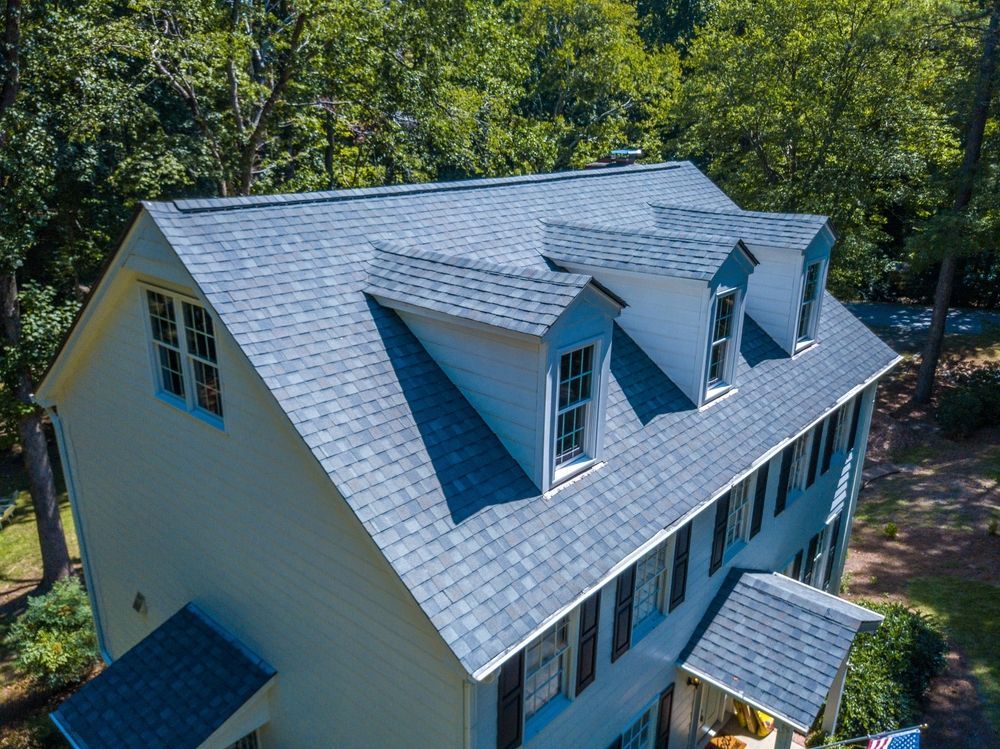
After installation, your roof will show a light gray or white reflective surface that reduces cooling loads during summer and sheds snow more readily than dark membranes. Water runs cleanly to drains without leaving residue, and the surface resists algae and bacterial growth even in shaded areas with poor airflow. Seams remain flat and uniform without the ridges or bumps seen in taped systems, and the membrane itself shows no plasticizer leaching or surface cracking after years of service, assuming the original material met industry standards for plasticizer content.
PVC systems suit both new construction and reroofing projects, with membrane thicknesses from fifty to eighty mils depending on traffic and puncture risk. The material costs more than EPDM or TPO, but the increased moisture resistance and chemical tolerance justify the expense for buildings where contamination or leaks carry high costs. Manufacturer warranties often cover the membrane and seams for twenty years or longer, and periodic infrared scans can detect moisture intrusion before it becomes visible inside the building.
Questions Facility Managers Ask Before Installing PVC
Commercial property owners evaluating PVC want to understand the material's performance relative to its cost. These are the questions that typically come up during project planning.
What makes PVC more resistant to chemicals than other membranes?
The PVC polymer itself doesn't absorb oils or solvents, and the plasticizers used in quality formulations resist extraction by common rooftop contaminants like kitchen exhaust or industrial fumes, which means the membrane doesn't become brittle over time.
How does PVC perform in cold climates compared to TPO or EPDM?
PVC remains flexible at low temperatures, though not quite as elastic as EPDM, and the welded seams hold their integrity through freeze-thaw cycles without delaminating, which makes it suitable for northern climates with long winters.
When is PVC the best choice over less expensive single-ply options?
Buildings with heavy rooftop grease loads, frequent chemical exposure, or stringent moisture control requirements benefit most from PVC, since the material's resistance to degradation extends service life and reduces leak-related damage.
What installation details are critical for long-term performance?
Proper seam welding is essential—every seam should be probed or air-tested to confirm a continuous bond, and flashings around penetrations must be reinforced and welded in multiple passes to prevent moisture from wicking under the membrane.
How long does a PVC roof typically last on a commercial building ?
PVC systems often exceed twenty-five years of service when properly installed and maintained, with some installations approaching thirty years without membrane replacement, though routine inspections and minor repairs extend that lifespan further.
Highmark Contracting installs PVC roofing systems using quality materials from trusted manufacturers, with experienced crews trained in proper welding and flashing techniques. Contact us to schedule a roof evaluation and receive a project estimate that details material options and installation timelines for your facility.