Membranes Built for Decades of Exposure
EPDM Roofing nationwide for low-slope commercial and institutional buildings requiring proven weather resistance
EPDM rubber membranes have been protecting flat roofs since the 1960s, and many original installations remain watertight after forty years of freezing, thawing, and UV exposure. The material is ethylene propylene diene monomer, a synthetic rubber that stays flexible at thirty below zero and doesn't become brittle under constant sun. Highmark Contracting installs EPDM systems nationwide using fully adhered or mechanically fastened methods, depending on your building's deck type and wind exposure, and property owners notice the rubber's ability to bridge small movements in the structure without tearing.
Installation begins with a clean, dry substrate—either a new roof deck or an existing surface prepared to accept adhesive. The membrane arrives in large rolls, which are positioned and either glued down with contact adhesive or secured with plates and fasteners, then seams are joined using either tape or liquid adhesive depending on the system design. EPDM contracts slightly in cold weather and expands when hot, so proper detailing around penetrations and edges accounts for that movement to prevent stress points.
Schedule an inspection to determine whether your current roof deck requires reinforcement before installing a new membrane.
How EPDM Resists Long-Term Degradation
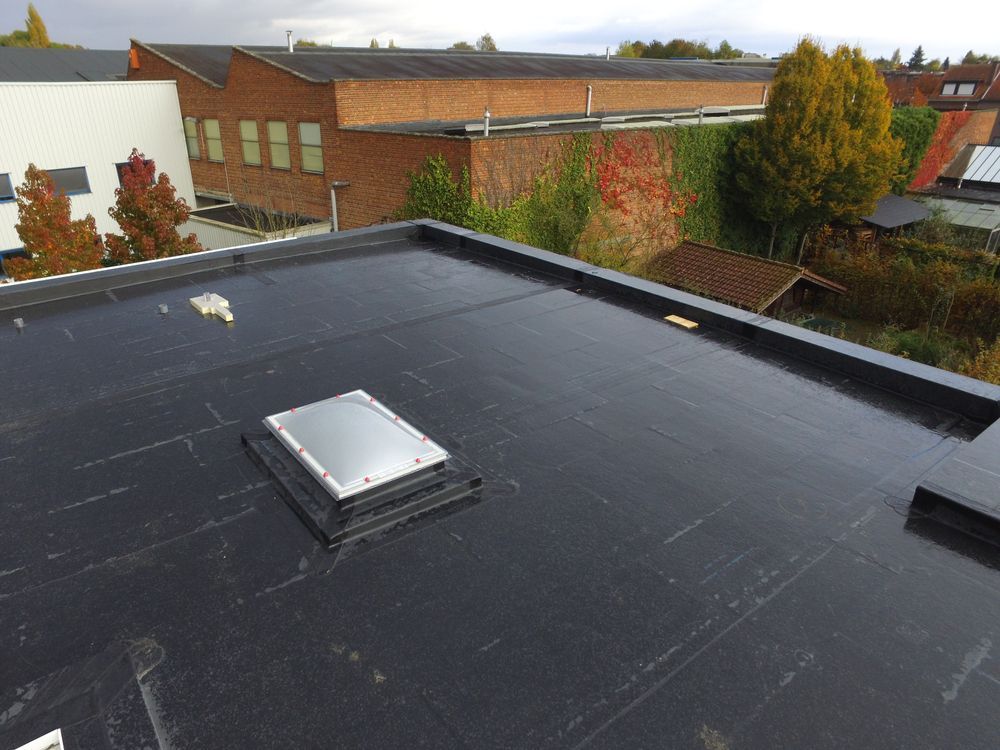
EPDM formulations include carbon black, which absorbs ultraviolet radiation without breaking down the polymer chains that give the rubber its strength. The material doesn't rely on coatings or surface treatments to maintain its integrity, so there's no recoating cycle to budget for. Seams remain the critical detail in any single-ply system, and EPDM seams bonded with primer and tape or liquid adhesive create a continuous barrier that flexes with the membrane rather than peeling apart.
Once installed, your roof surface will be uniformly black, which absorbs heat during winter and can slightly increase cooling demand in summer compared to reflective membranes. Water drains cleanly to scuppers and drains without ponding in most cases, and the rubber surface resists punctures from walking traffic or minor debris. You won't see cracking around fasteners or along seams even after years of service, and minor damage can be patched on site using the same adhesive and membrane material.
EPDM works well for both new construction and replacement projects on schools, warehouses, and small commercial buildings where budget and longevity are priorities. Membrane thickness typically ranges from forty-five to ninety mils, with thicker sheets used where foot traffic or equipment access is routine. The system requires minimal maintenance beyond periodic inspections to check seams and flashings, and warranties from manufacturers often extend twenty years or more when installation follows their specifications.
Answers to Common EPDM Questions
Building owners evaluating EPDM for low-slope roofs want to understand how the material performs in real-world conditions. These questions come up regularly during project consultations.
How does EPDM perform in temperature extremes compared to other membranes?
EPDM remains flexible at temperatures far below zero, which prevents the cracking seen in some thermoplastic materials during cold snaps, and its elasticity allows it to expand and contract without stressing seams.
What installation method works best for buildings in high-wind areas?
Mechanically fastened systems use plates and screws at regular intervals, creating a secure attachment that resists wind uplift, while fully adhered systems bond the entire membrane to the substrate, which some building codes require in severe wind zones.
When should I consider replacing an existing EPDM roof rather than repairing it?
If seams are failing in multiple locations or the membrane shows widespread cracking and loss of elasticity, replacement becomes more cost-effective than ongoing patch work, though isolated damage from punctures or equipment installations can be repaired indefinitely.
Why does EPDM cost less than some other single-ply options?
The material itself is less expensive to manufacture than PVC or TPO, and installation is straightforward without specialized welding equipment, which reduces labor time and overall project cost.
What maintenance does an EPDM roof require over its lifespan?
Annual inspections should check seam integrity and flashing details, and periodic cleaning removes debris that can hold moisture, but the membrane itself doesn't require coatings or treatments to maintain its weather resistance.
Highmark Contracting provides EPDM installation for commercial and institutional properties throughout Bismarck and Williston, using dependable project management to keep installations on schedule. Arrange a consultation to review your building's roofing requirements and receive material recommendations based on your structure and budget.